Introduction
Tracheostomy care and ventilator administration are crucial parts in the world of medical care, particularly for patients with respiratory failing or other problems necessitating respiratory tract assistance. As health care specialists, understanding these skills is not just an option but a requirement. This post dives deep right into the important skills required for effective tracheostomy treatment and ventilator monitoring, equipping healthcare workers with the knowledge and strategies to offer optimum person care.
Tracheostomy Treatment and Ventilator Management: Important Abilities for Health Care Workers
In modern clinical techniques, the crossway of tracheostomy treatment and ventilator management offers one-of-a-kind challenges that call for specialized training. Comprehending just how to correctly manage these two aspects can considerably improve client results.
Understanding Tracheostomy
What is a Tracheostomy?
A tracheostomy is a surgical procedure that develops an opening via the neck right into the windpipe (throat). This opening permits air to go into the lungs straight, bypassing any kind of basic ventilator training resources blocked upper air passage. It is usually performed on patients who call for extensive air flow assistance or have upper airway obstructions.

Indications for Tracheostomy
Several scientific circumstances may call for a tracheostomy:
- Prolonged Mechanical Ventilation: Individuals requiring long-term ventilator support. Upper Airway Obstruction: Conditions such as growths or serious trauma. Neuromuscular Disorders: Conditions that endanger breathing effectiveness.
The Importance of Efficient Tracheostomy Care
Preventing Complications
Proper tracheostomy care is crucial in protecting against potential complications such as infections, tube dislodgement, or obstruction. Regular cleansing and upkeep are crucial parts in ensuring individual safety.
Patient Convenience and Top quality of Life
Patients with tracheostomies typically experience anxiousness and discomfort. Ample administration brings about enhanced quality of life by attending to both physical and mental needs.
Ventilator Monitoring Basics
What is Ventilator Support?
Ventilator assistance describes mechanical support provided to aid patients breathe when they can refrain from doing so effectively by themselves. This can involve numerous settings of air flow customized to specific client needs.
Types of Ventilators
Continuous Favorable Air passage Stress (CPAP): Supplies constant airflow to keep airways open. Bilevel Favorable Respiratory tract Stress (BiPAP): Offers help throughout inhalation while allowing easy exhalation. Invasive Ventilators: Normally made use of in conjunction with endotracheal tubes or tracheostomies.Basic Ventilator Training course Overview
Purpose of Fundamental Ventilator Courses
Healthcare workers have to undertake detailed training via basic ventilator programs to understand the mechanics of various ventilation modes, setups adjustments, and monitoring patient actions effectively.
Key Subjects Covered in Training
- Anatomy of respiratory systems Different types of ventilators Settings change based upon individual condition Recognizing alarms and troubleshooting issues
Advanced Ventilation Training Courses
Specialized Training Programs
Advanced ventilation training programs provide even more comprehensive expertise relating to facility air flow methods customized for critically unwell people. This includes understanding ventilatory criteria like tidal quantity, stress assistance degrees, and oxygenation metrics.
Ventilator Training for Nurses
Role-Specific Training Needs
Nurses play a crucial duty in handling people on ventilators. Consequently, committed ventilator training for nurses focuses on sensible abilities such as:
- Assessing client readiness for extubation Managing sedation protocols Implementing infection control measures
Airway Administration Techniques
Key Parts of Respiratory tract Management
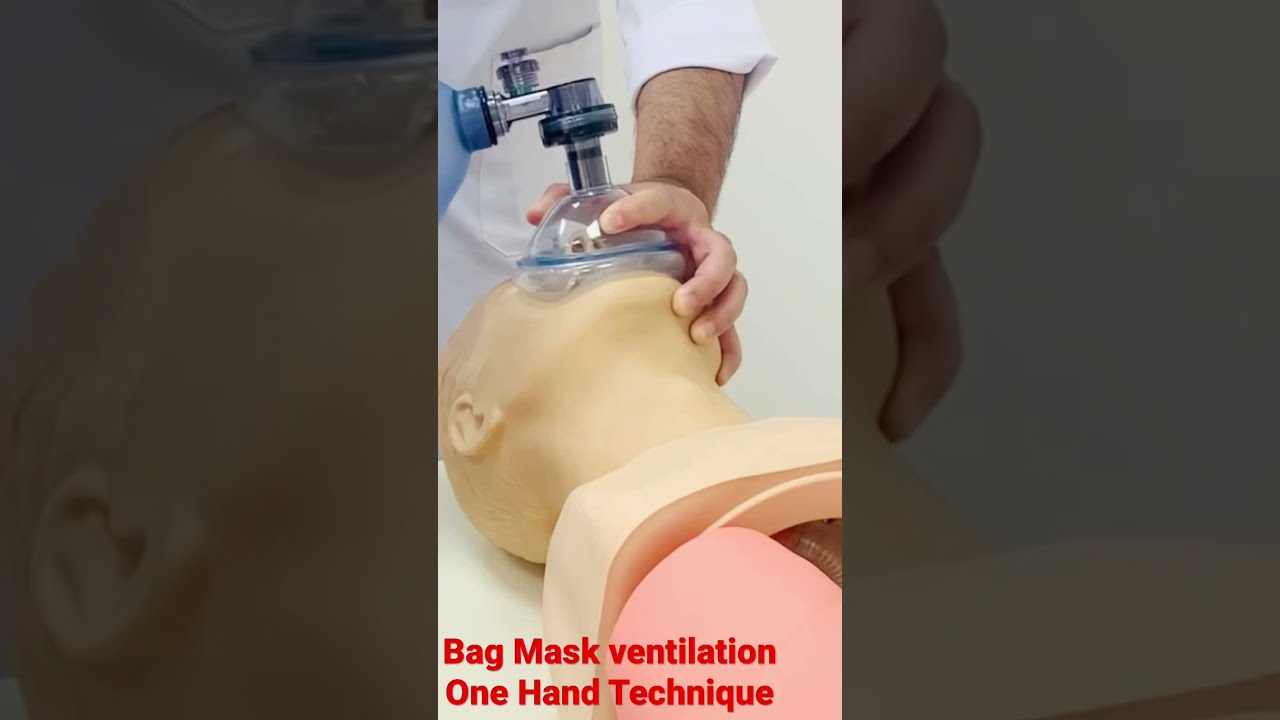
Effective airway monitoring includes several methods including bag-mask air flow, endotracheal intubation, and preserving patency in cases where a tracheostomy has been performed.
Integrating Tracheostomy & Ventilation Training
Combining tracheostomy care with ventilation training furnishes health care employees with thorough capability required for taking care of complicated instances effectively.
Frequently Asked Questions (Frequently asked questions)
1. What is ventilator support?
Ventilator assistance refers to mechanical aid airway and ventilation techniques offered by machines designed to help individuals having trouble breathing independently.
2. Why are ventilation training courses important?
Ventilation training courses are essential due to the fact that they prepare medical care specialists with the expertise required to run air flow equipment securely and successfully manage clients' breathing needs.
3. How does one do correct tracheostomy care?
Proper tracheostomy care includes routine cleaning up around the stoma website, transforming the internal cannula as required, checking for signs of infection or clog, and making sure that emergency situation tools is conveniently available.

4. What need to I consist of in my airway administration toolkit?
An effective respiratory tract administration toolkit need to consist of suction devices, bag-mask apparatuses, numerous sizes of endotracheal tubes, laryngoscope blades, emergency situation drugs, and appropriate PPE (Personal Protective Devices).
5. Can non-medical employees be trained in ventilator management?
While it's ideal for qualified clinical employees to manage ventilators due to their intricacy, fundamental training can be given to non-medical staff who work along with healthcare providers throughout emergency situations or intense situations.
6. Exactly how often must aerated people be assessed?
Ventilated individuals must be analyzed a minimum of every hour at first; however, regularity might raise based on their security or underlying clinical conditions.
Conclusion
Navigating through the details of tracheostomy care and ventilator monitoring can be daunting yet gratifying for health care workers dedicated to boosting client results. By obtaining crucial abilities through structured programs-- such as fundamental ventilator programs-- medical care experts can ensure they are equipped not only with technological expertise yet additionally with confidence when faced with vital scenarios entailing breathing distress.
Through continual education and learning-- like NDIS ventilation training courses-- healthcare employees can bolster their knowledge additionally in locations demanding sophisticated air passage monitoring techniques related to both trachestomies and mechanical ventilation systems. Ultimately, this ensures that individual safety continues to be vital while improving their total health during recovery processes from severe respiratory ailments.